
Priced out of Addiction
Increased nicotine tax has Washington residents starting to call it quits
Story by Liam Walsh
Published Sept. 24, 2026
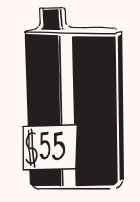
On January 3, 2026, Phoenix Beltran was waiting patiently in the passenger seat of his uncle's truck. His uncle had gone in to buy Beltran a blueberry vape. He opened the driver's side door and tossed the vape into Beltran's lap. “It's 55 bucks,” he said. “So you'll get 45 today.”
Beltran has spent the whole day working for his uncle to make $100. “I just felt like my heart sank,” Beltran said. “It was like, I just wasted 100 bucks. It's a lot for something that I'm gonna have for two days that I will not remember.”
On January 1, 2026 Washington State implemented a 95% tax on all nicotine products excluding cigarettes. An addiction that had been affordable for Beltran now seemed outrageously expensive.
The $55 price tag for a vape blindsided the both of them, because only a few days ago it cost half that.
“I'm a poor person, so it's like, I have this addiction,” Beltran said. “I want to do this, but it's harder now, because I'm being priced out of it.”
Beltran wasn't ready to give up yet, and spent the next few days going around Olympia checking prices at different stores, hoping to find something affordable.
In February, Beltran got pneumonia and was forced to stop vaping for a few days.
“I'm lucky, because pneumonia made it easy,” Beltran said. “I couldn't think about anything else, except for the fact that I could not breathe every day, so I didn't even want to vape.”
Despite his struggle with pneumonia, it presented an opportunity. He had already been a few days without vaping, and the hardest part was over.

“It destroys your lungs to vape while having a sickness, and on top of that, having to pay 55 bucks just to, like, kill yourself, basically, I just was like, I'm not gonna do this anymore.”
This kind of thought process is exactly what Washington State legislators were trying to create when they formulated the legislation. According to the Senate Bill Report, “Raising the tax on cigarettes and other nicotine products reduces use and, in turn, the devastating health effects caused by those products.”
In a study published by BMJ Journal, researchers found that “e-cigarette tax policies may prevent and reduce exclusive e-cigarette use in youths, providing valuable insights for states that have not implemented e-cigarette taxes.”
The drastic price increases are being felt by Western Washington University students as well. Aiden Marsh, a former Western student, spoke about his experience with the tax.
“Prices on a lot of things just straight up doubled, and they were already pretty unaffordable to begin with, especially in a state like Washington,” Marsh said. “One of my buddies told me that they went in to buy a vape, and it cost them like 60 bucks to get one, I just thought, wow, I gotta quit.”

Evan McCord has worked at a local gas station in Bellingham for several years, and explained what he noticed about trends post-tax.
“We weren't really bleeding customers at first, but we’re starting to get less and less asking for vapes,” he said. “I used to notice we'd have flavors sell out in a day and I haven't seen that in the last month.”
Despite these trends, Beltran expressed concern over the tax's ability to encourage quitting.
“It only affects poor people,” Beltran said. “Like a rich person, or some rich kid who's getting money from whatever, is going to be able to buy this. So it's like, you're just pricing out poor people. All this tax does is affect poor people and limit what they're able to get.”
McCord reiterated the same sentiment.
“For nicotine specifically, I think people are going to shoulder the cost,” McCord said.
Despite his skepticism of the tax’s efficacy, Beltran is glad he has quit and is relieved his risk for serious health concerns will decrease.
“I look forward to just not having to spend a million trillion dollars on a little disposable environmental hazard box that kills me and the environment, you know, that's nice.”
For more information, the Washington State Department of Health has resources available for those who are trying to quit.