
Deeper than the music
A glimpse of unity found in the rave scene
Story by Mary d’Arcy, photos by @punk.polaroids
Published Feb. 03, 2026
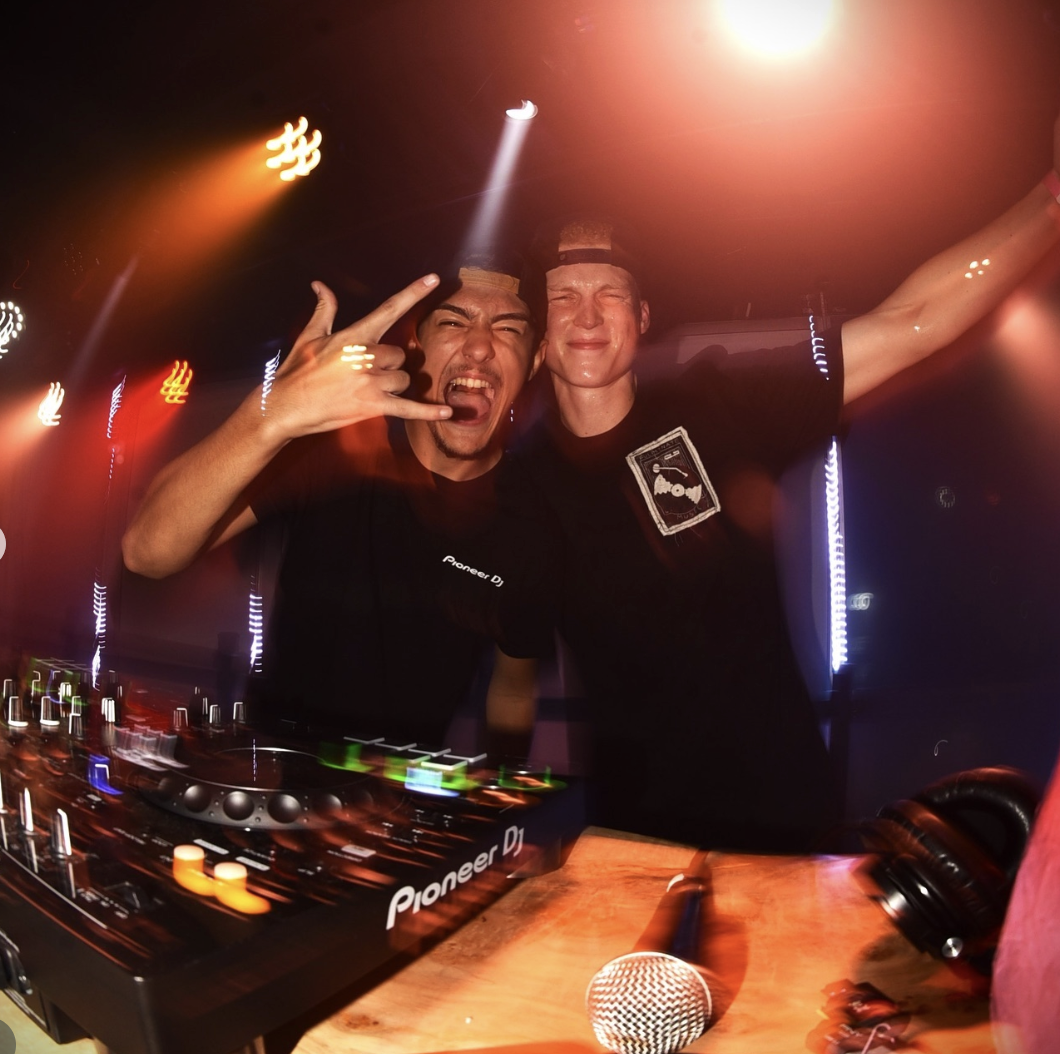
Before the night even starts, your DJ is hard at work behind the scenes. Prepping for the evening involves mixing songs, planning a setlist, setting up at the venue and — depending on the DJ — even writing their own music. Guy Stricherz is a Bellingham local who has been DJing for two years. He found his way to Bellingham’s electronic dance music scene by spontaneously helping with failed sound tech one night at a party he attended. Now he works with Western’s EDM Club.
Stricherz has a set of 300 songs that he is very familiar with and chooses to mix between them at random, depending on the crowd's energy. This allows him to create the specific vibe that the listeners are feeling, and keeps him engaged and feeling good about what he is playing. “I will just throw on the Macarena sometimes,” Stricherz said, laughing. “It's still a crowd pleaser.”
Sometimes, local shows are labeled as “DIY,” however, Stricherz is hesitant to use this term because he doesn’t believe that at-home production is correlated with poor quality. “We all need to look outwards to other people to try to get more help,” Stricherz said. “We’re all going to
have some shortcomings. You know, people are going to have things that they're better at, so we just look around, build a community, and then everyone thrives from that.”
In many ways, a DIY setting allows for a more authentic experience and provides room for creativity for DJs and the crowd. The camaraderie created by DJs sharing their skills in sound design, lighting or advertising brings them together to create memorable shows without the large production budget of a professional producer.
“I’ve seen some very professional people do some pretty crazy stuff,” Stricherz explained.
Stricherz is self-taught, but plenty of formal education routes to DJing exist as well. For some Bellingham DJs, their preparation began in a music class. Bruce Hamilton, a professor of music, has spent the last 26 years at Western Washington University cultivating a space to be creative with music production. In a small classroom, packed full of recording equipment, 1970s modular synthesizers and chalkboards, Hamilton is in his element. While he does not teach EDM specifically, many of his students are EDM enthusiasts and take what they learn in Hamilton’s production and theory classes and apply it to their own shows.
In the classroom setting, Hamilton feels students have become more open-minded. By the time they are in his classes, his students are typically already interested in experimental music. Hamilton believes that music production can be a way to express yourself and your ideas while connecting to others in the process. “Knowing that there are other people that are on some sort of wavelength — there can be mutual support in different ways,” Hamilton said.
From early production to last-minute soundchecks, many steps go into the music before it ever reaches rave attendees' ears. Some of it’s profound and thought-out, some of it, just boxes that have to be checked — all of it, arguably, reflective of the human experience.
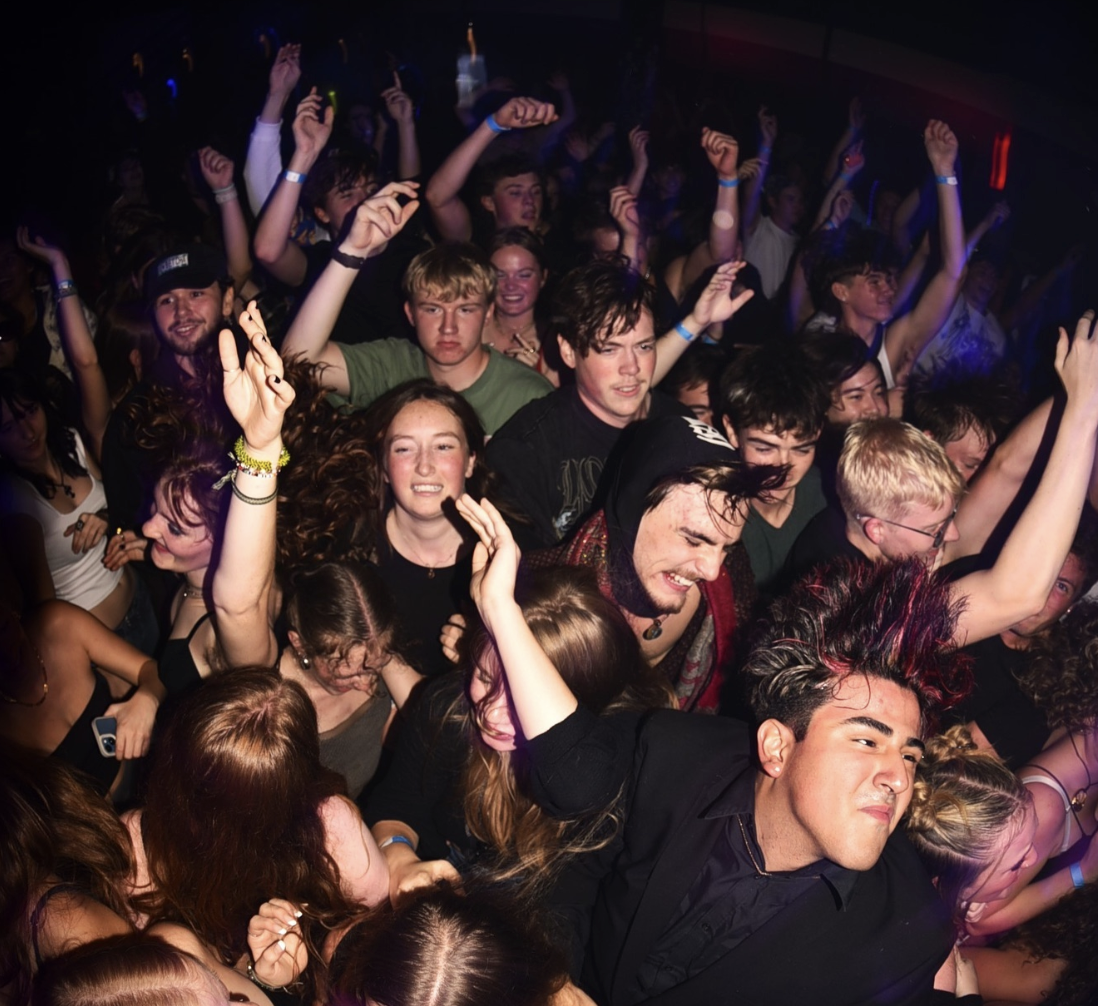
By the time you arrive at the venue, it’s already beginning to flood with people. It’s hot, sticky and loud. The crowd packs around you, donned in glitter, mesh and platform boots. The room has energy, a buzzing of excitement that you feel in the pit of your stomach. It almost slips into anxiety.
You probably came with friends, and because it's a rave, you’ll probably leave with even more. Ana Poore has been
attending raves consistently since she was 18. Poore described the family she has built over her 10 years of raving as extremely tight-knit. In the summer, Poore tries to attend at least one festival each month.
Many smaller raves will be a few hours long and feature one or more artists. Poore often attends EDM festivals — multiday events featuring multiple artists, often spanning across subgenres such as house, dubstep, techno and many more. Each genre is home to subgenres, allowing listeners to find niche sounds and styles they like. It’s common for festivals to offer camping near the venue, allowing fans to stay nearby and easily venture in and out of the festival throughout the weekend.
For her, festivals provide the opportunity to bond with friends through the vulnerability created by spending the entire weekend together. The connection that takes place within a group can come from helping each other remember to take care of themselves, cooking for each other or being there in emotional moments. But kindness extends far beyond people’s own social circles. “It’s amazing how many friends you can make in the electronic music scene because everyone is just nice and having a fun time,” Poore said.
By the end of the night, you have danced your heart out, and you can still feel the bass in your chest and ears, long after the music has stopped. You likely traded kandi (handmade beaded bracelets) with new friends, or collected a new sprout (a small plant-shaped clip given as a token of friendship), and the memories that stick with you will likely be more about the people you were with than the music played.
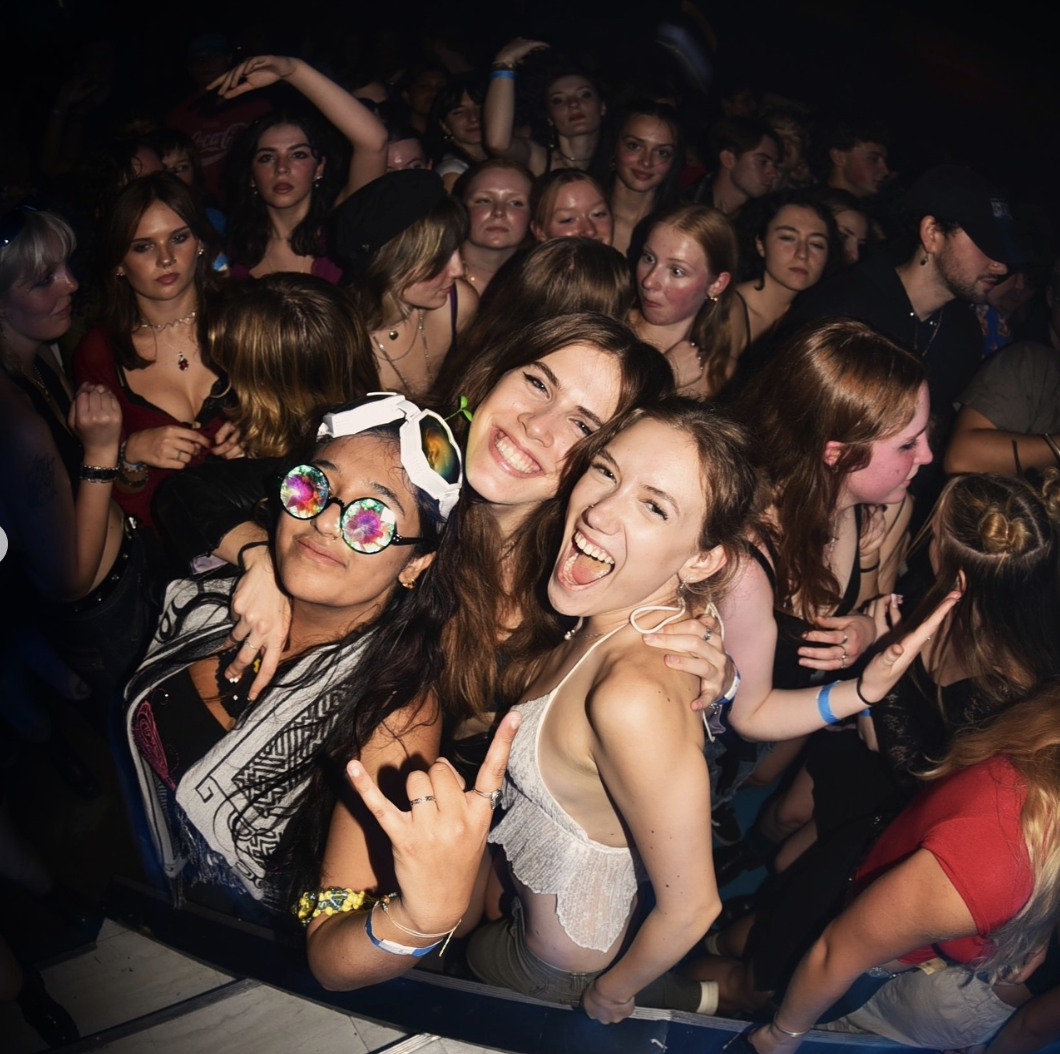
Poore is not the only one who feels the scene is very open. “It’s not as cliquey; anyone can really come,” Stricherz said. Raves create a space where it's easy to explore self-expression through your clothing, makeup, hair or the music you are playing. “I’m a cis man, but I like wearing makeup sometimes, and it’s nice,” Stricherz said.
Even when the party is over, the group cohesion isn’t. Poore recently had a friend fall and hurt their head while at a festival. Everyone in their group sacrificed the rest of their night to care for him. Poore looked back on the night with fondness over the supportive and caring group she's part of.
“It’s very bonding for people when you show each other that your well-being is more important than the party,” Poore said. Raving is much more than a party or a concert — it’s an immersive experience.
“I guess the entire scene is just pushing for inclusivity, and just by having (the scene) be there, it is (inclusive)," Sticherz said. Whether you are attending a local house show or contemplating making the trip for a festival, EDM is likely to bring you much more than good music to dance to or a stunning laser show. The emphasis on taking care of one another and uplifting each other is clear from the moment you arrive, encouraging many to return for more than just the music.