
Conversing in combat
How martial arts use body language to communicate emotions, culture and connection beyond speech
Story and photos by Mabaindu Mbawa
Illustration by Royce Alton
Published April 7, 2026
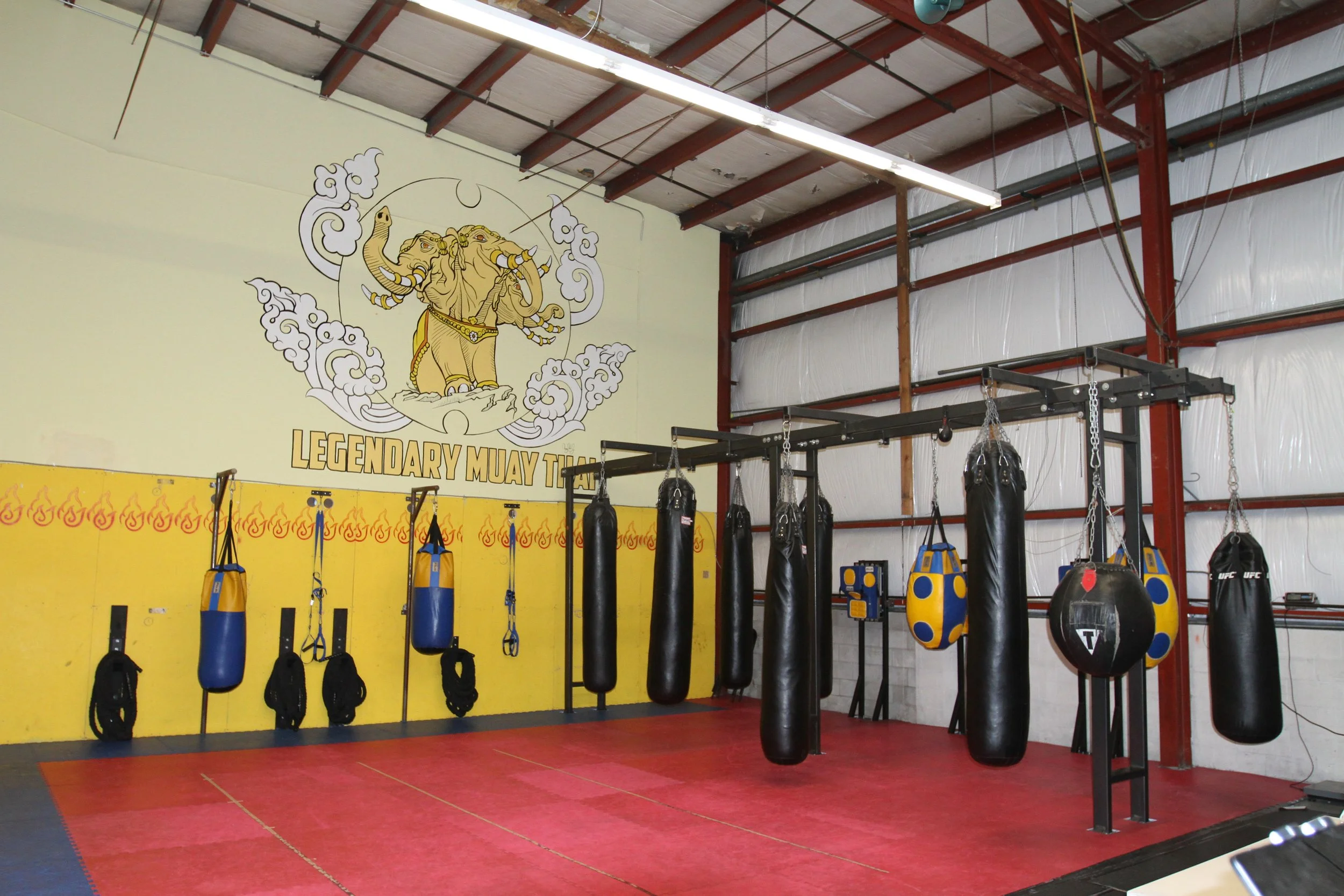
Pure Fitness gym in Bellingham, Wash., on Feb. 13.
His eyes trace the quiet apartment, soft with sunbeams dancing through the window. Daylight spills across the open space as Gene Golden, a longtime T’ai Chi Ch’uan instructor, moves through the room with intention. His arms extend, and his shoulders shift and swing in all directions as each movement is measured and flowing.
“Every thought, every belief, manifests itself physically in your body,” Gene said.
As an opponent approaches, reaching for his neck, Gene demonstrates how energy manifests tangibly. Negative intent reveals itself through body language almost instantly, he explained. With the interaction between body language and energy, Gene can sense an opponent’s goal not through something visible, but through subtle cues that signal movements before they happen.
The opponent's hand reaches forward, testing the moment, followed by a sudden strike at Gene’s neck. In an instant, Gene shifts his hands, redirecting the motion effortlessly with fluid precision. He guides the attacker to a sideways headlock, their head resting under his arm. There’s no struggle, only the quiet authority of a body sensing the movement before it fully emerges.
“Once I know that, they cannot succeed. Because I knew you were going to do it,” Gene said.
Gene has taught martial arts in California and on the East Coast and has been teaching in Bellingham for about seven years. His experience reflects a well-documented principle in combat sports: athletes learn to anticipate actions before they unfold by reading their opponents’ body language. Studies published in Frontiers in Psychology reflect that expert martial artists can detect subtle cues in posture, movement and balance, allowing them to predict an opponent’s intentions before a strike occurs.
This kind of participant dialogue appears across many combat sports.
Upstairs at Bellingham Brazilian Jiu-Jitsu, Bradley Golden, a senior at Western Washington University who leads the Western Grappling club, performs the routine of rolling on the mat. He describes the small rituals, the quick slap of hands and fists signaling respect before a session begins. Movements flow without words: shifts of weight, subtle leans, adjustments and counters form a silent dialogue. Energy is measured, deliberate and efficient; each motion part of a larger exchange. Even the smiles, quick nods and taps reflect learning and body communication.
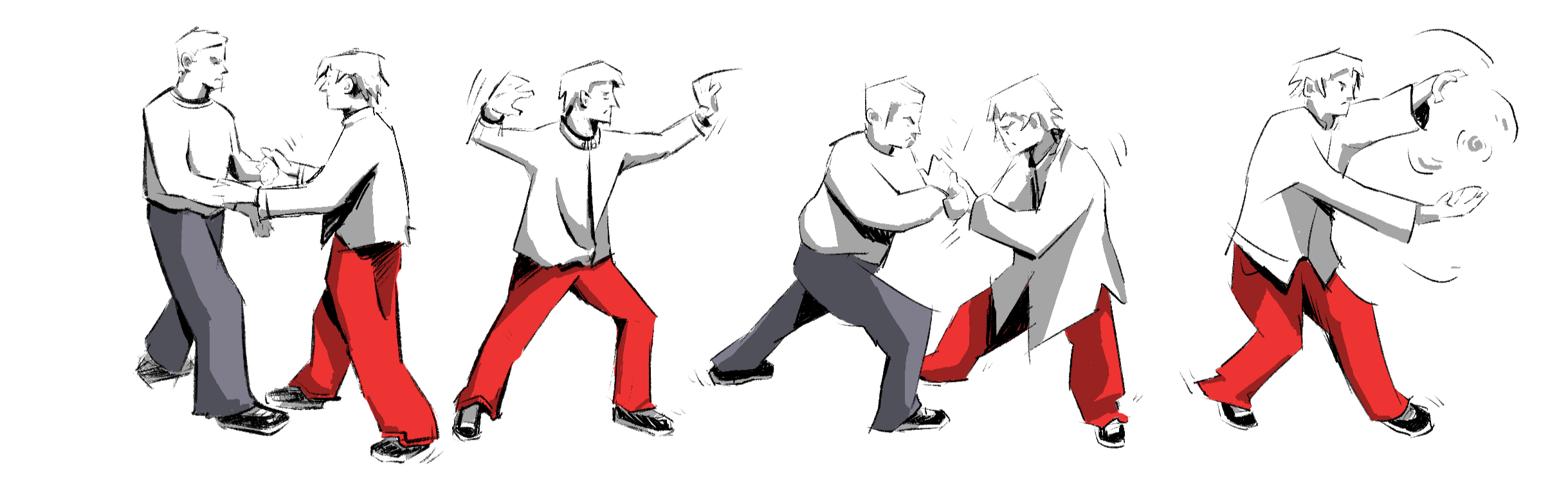
1. Yielding/extending 2. Retracting / Controlled Reaction 3. Push Hands (“Art of Push”) 4. Flowing / Harmonious Movements
“Jiu-jitsu is all about communication,” Bradley said. “There are no words involved. Someone can take a step, and you already know what that means and what they are going to do.”
His mind drifted back to a conversation he overheard at the gym. Two black belt practitioners were discussing sparring, describing their matches as something more than fighting. He could picture it: the subtle exchange of grips and counters, the give and take, a motion of movement acting as words.
“Whenever they roll with each other, it’s like conversation,” Bradley said. “It’s a constant exchange of ideas. Some people think it’s just fighting, but it’s more than that. It’s creative — it’s communication.”
Scholars in intercultural communication argue that this kind of nonverbal awareness extends beyond martial arts. A cross-cultural comparison between China and the United States shows that nonverbal communication underscores physical signals, including gestures, posture, eye contact, facial expressions and vocal cues. Deeply intertwined with cultural values, Chinese communication tends toward subtlety and emotional restraint, while American communication leans toward expressiveness and directness. Such differences demonstrate how nonverbal signals are far more than supplements to spoken language. They reflect cultural priorities, guiding social interaction and influencing meaning in cross-cultural communication.
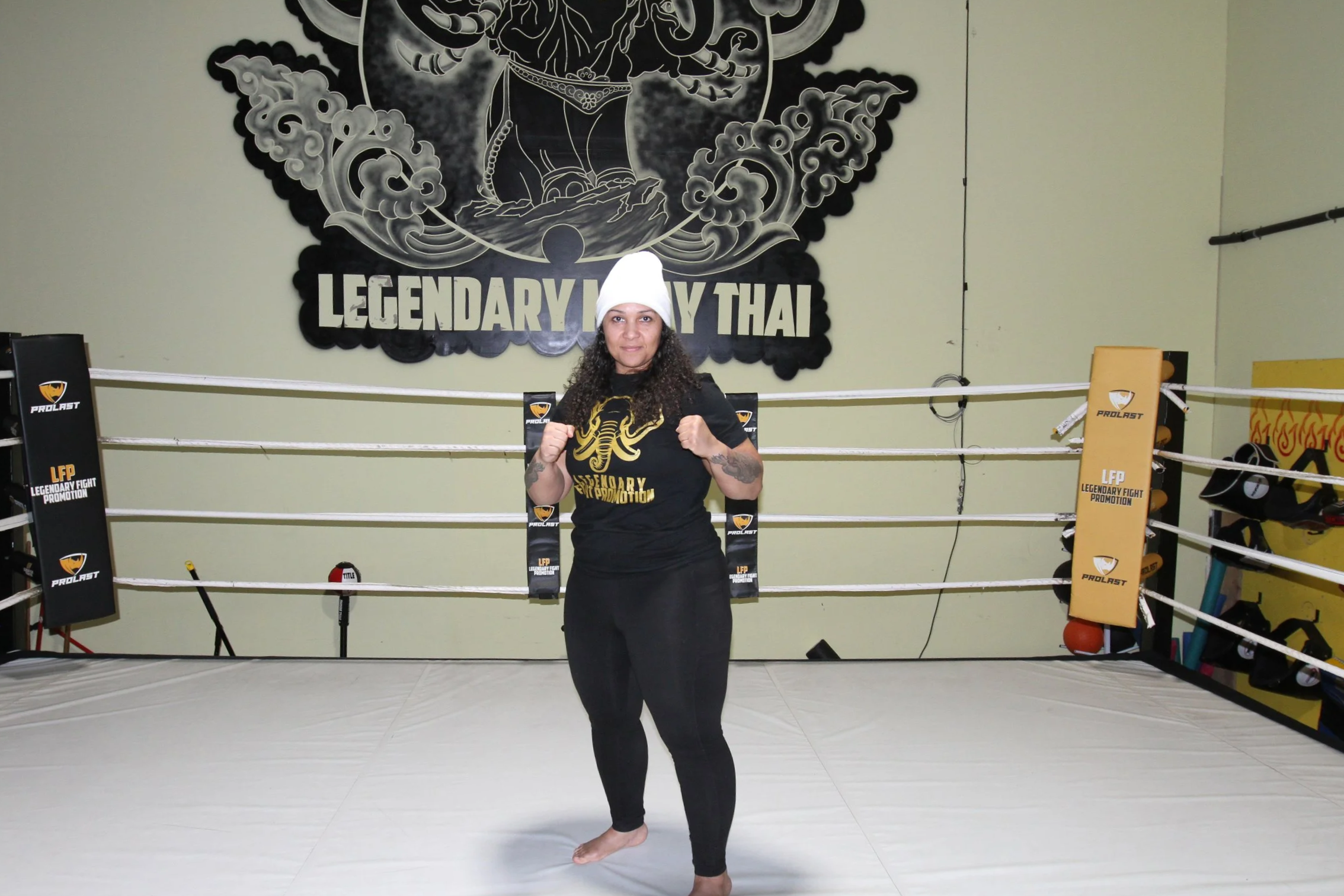
Brooke Pete, owner of Pure Fitness, at her gym in Bellingham, Wash., on Feb. 13. Pete spoke about martial arts, body language and the role of movement in building awareness and connection.
Other martial artists in Bellingham agree that nonverbal signals add to what words attempt to portray.
It’s just past 9:10 a.m. at Pure Fitness, a Muay Thai martial arts school in Bellingham. Music fills the silence between conversations, and the faint smell of sweat and rubber lingers in the air. Boxers quickly shuffle around the ring, while others practice their punches and kicks on the mats. At the sound of gym owner Brooke Pete’s voice calling out instructions, students respond with precision and focus. Within minutes, the class clears, and the space falls still.
Pete explains how the movements aren’t only physical; they carry meaning beyond the mat. “Your overall energy and your presence is very important, not only in martial arts, but just in life in general,” Pete said.
As her eyes sweep the gym, she explains how even simple gestures can reveal students’ emotional states. “You can tell someone’s thinking about something if they blink a lot and they’re looking around — they’re trying not to do whatever is in their brain,” Pete said. “The pace of how they walk, how they pick their feet up, how they put their things away.”
This is true outside of practice, too.
“In jiu-jitsu, you learn to read small details in someone’s body,” Bradley said. “If someone shifts their weight forward or looks at your feet, you know what they’re about to do. It’s the same outside training. You can see when someone is upset just by the way they move, their eyes turn red or they frown.”
A 2009 study by Schubert and Koole found that even a simple gesture, such as clenching a fist, can make a person feel more powerful and confident. In martial arts, the way students hold themselves, their stances, weight distribution and gestures, does more than demonstrate technique — it reflects and shapes their internal state. Pete’s observations in the room show this through embodied connections, showing that movement is not just a physical practice, but a language of emotion and cognition.
Christie Scollon, a Western psychology professor, describes how movement shapes thoughts and social connections.
“Thinking is not just something that’s in the head,” Scollon said. “We think with our whole bodies.”
Scollon emphasized how martial arts exemplify the connection between movement and social signaling. When people train together, it’s less about attack and more about responding to each other in a coordinated way.
“My understanding is when people are training, there’s a lot of physical aspect, usually the teacher or the sensei will show movements and then students will follow,” Scollon said. “There’s this particular martial art, jiu-jitsu, that is really fascinating because it’s less about the attack and more about responding to the other person.”
Across disciplines, from martial art instructors and participants to psychology experts and other scholarly research, martial arts function as more than physical training. They are a structured practice where posture signals intent, rhythm contributes to social connection and participants learn to recognize and respond to bodily cues.